What a reverse mortgage is
A reverse mortgage, most commonly a Home Equity Conversion Mortgage insured by the federal government, lets homeowners age 62 and older tap the equity in their home while continuing to live in it. No monthly mortgage payment is required while at least one borrower occupies the home.
The loan becomes due when the last borrower sells the home, moves out permanently, or passes away. That means for many older homeowners, the path out of a reverse mortgage is a sale, and understanding how the payoff works is the key to a smooth transition.
Your options when you want to sell
If you decide to sell, the sale proceeds pay off the reverse mortgage balance first, and any remaining equity belongs to you or your estate. Sellers who understand this heading in can plan realistically: knowing the approximate payoff, the home's market value, and what is left over afterward.
There are also situations where homeowners want to move closer to family, downsize to a smaller home, or move to a care setting. In each case, the same principle applies: sell the home, pay off the loan, and keep what remains.
Selling to pay off the balance
The payoff amount is the loan balance, including interest and any fees, not the original amount borrowed. Greg recommends getting a current payoff statement from the servicer before pricing the home, so you are pricing against a real number.
With a federally insured HECM, the loan is generally structured so you never owe more than the home is worth when the loan becomes due, as long as the terms of the loan have been met. An experienced agent who has closed these sales can walk you through exactly how the payoff and any remaining equity work in your specific case.
Avoiding foreclosure on a reverse mortgage
Foreclosure on a reverse mortgage usually does not happen because of missed loan payments, since there are no required payments. It happens when the borrower stops meeting other obligations: unpaid property taxes, homeowners insurance, or HOA fees, or when the home is left vacant while the borrower is elsewhere.
If you are behind on taxes, insurance, or association fees, acting early matters. Options include selling the home to pay everything off, working with the servicer on repayment arrangements, or using local and state assistance programs. Greg can help you understand your position and set a realistic timeline before a small problem becomes a crisis.
Greg's experience guiding senior homeowners
Over more than two decades in real estate, Greg has guided senior homeowners, estates, and families through exactly this kind of sale. He approaches these conversations with patience, clear numbers, and no pressure, and he coordinates with family members, attorneys, and servicers when that makes the transaction smoother.
Whether the goal is downsizing, moving closer to family, or settling an estate, the first step is the same: a confidential conversation about the property, the payoff, and your options.
Talk it through in a confidential call
If you hold a reverse mortgage and are thinking about selling, Greg can help you understand the payoff, price the home correctly, and move toward a successful closing.
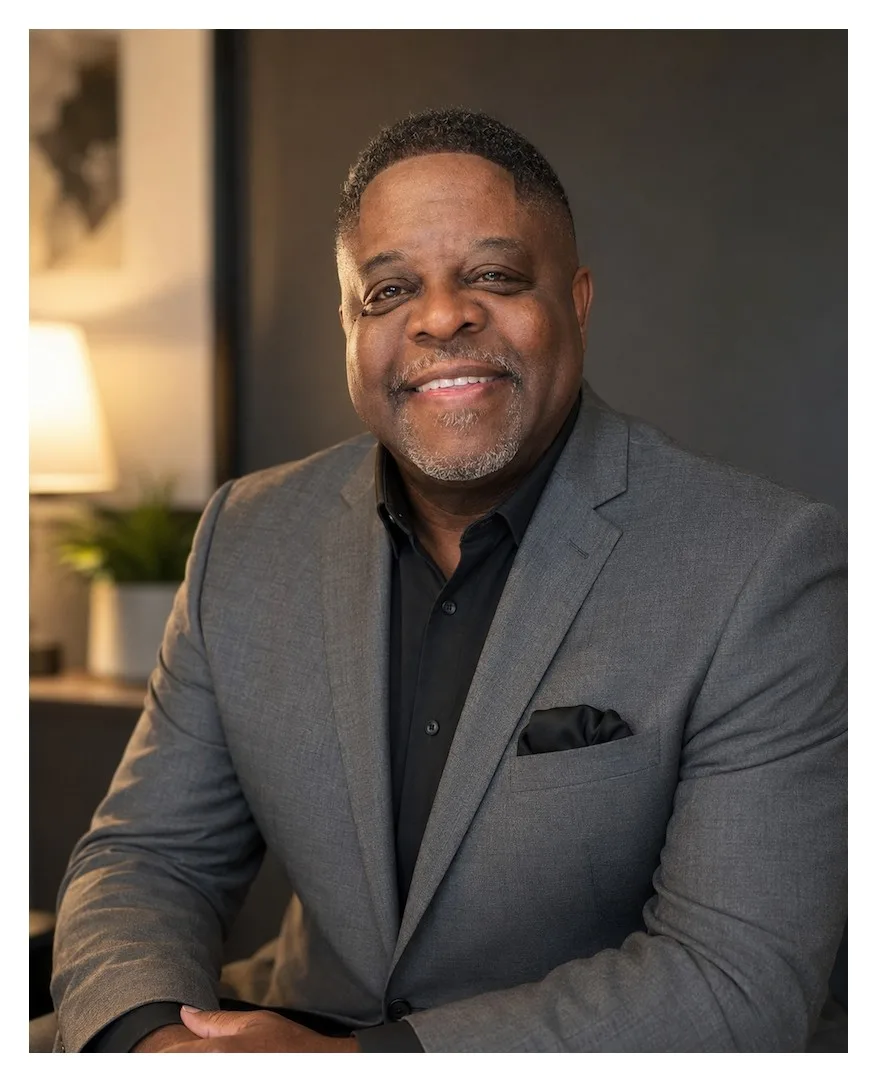
About the author
Greg Rayford
Greg is a Metro Atlanta Broker Associate with Crimsyn Bailey Real Estate, powered by eXp Realty. He has completed more than 60 short sales, represented more than 1,500 single-family homes, and specializes in short sales, probate and inherited homes, vacant and distressed properties, REO, and traditional resales. Call 678-698-2656 for a confidential consultation.