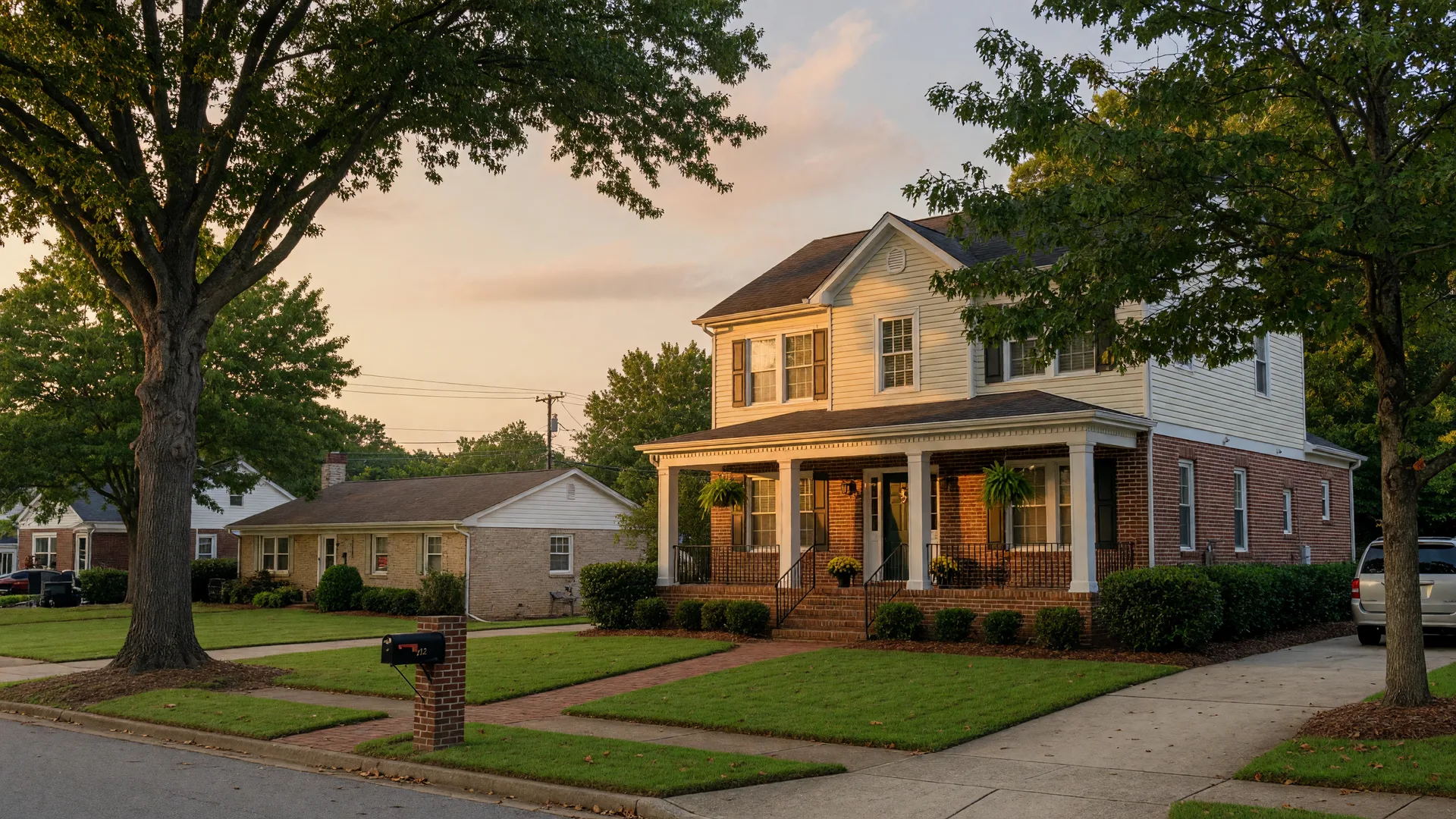

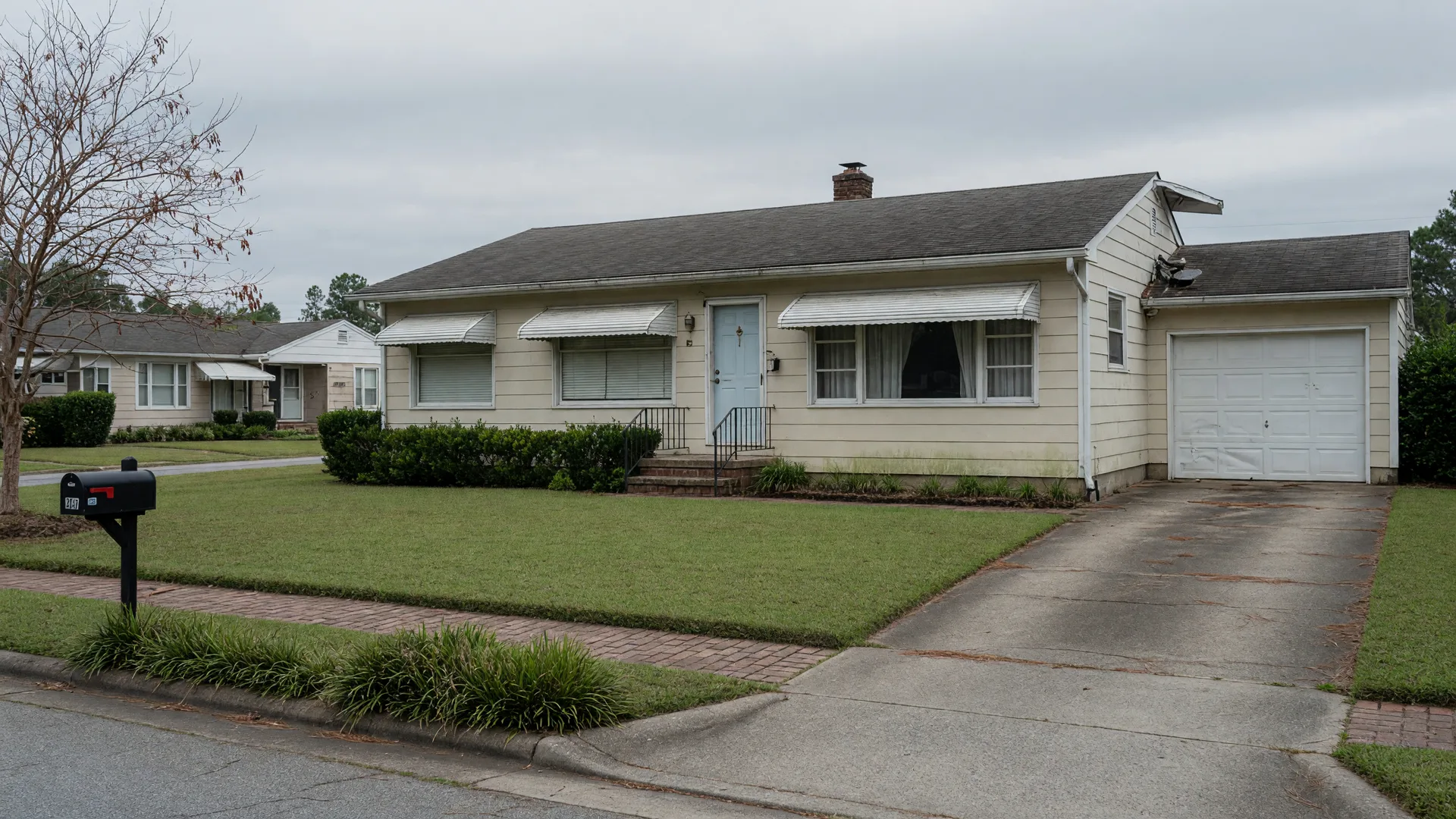
A vacant home is a different kind of listing
An empty house can be one of the easiest or one of the hardest homes to sell, and the difference comes down to how it is managed. There is no one living there to keep the yard up, catch a leak, or turn on the lights for a showing, so every day the house sits vacant carries real costs.
Vacancy also changes the buyer market. Some buyers are looking for a move-in-ready home and will pass on a dated or damaged vacant property, while cash buyers, investors, and renovation buyers see an opportunity. Correct positioning decides which audience you attract.
Security and maintenance while the home sits
Vacant properties are targets: for vandalism, theft, weather damage, and unauthorized entry. Greg recommends practical steps like changing or rekeying locks, securing all windows and doors, keeping the lawn maintained so the home looks lived-in, and confirming that the insurance policy still covers a vacant structure.
Utilities matter too. Many policies require heat or power to be maintained, and keeping the water and HVAC in order prevents the freeze and moisture damage that show up on an inspection report later. Small fixes now protect the value you are trying to sell.
Pricing a vacant or as-is home
Pricing starts with condition. A vacant home with deferred maintenance is priced against comparable sales that reflect its true state, not the polished comps down the street. Overpricing a vacant home is the most common mistake because it simply extends the vacancy, adds carrying costs, and chases away the buyers most likely to close.
Greg reviews recent comparable sales, the cost of needed repairs, and the carrying costs of waiting, then recommends a price that moves the property. In many cases the right answer is realistic and aggressive from day one.
Cash and investor buyers
When a vacant home needs substantial work, or when its condition rules out conventional financing, the buyer pool shifts to cash buyers, investors, fixer-uppers, and landlords. These buyers evaluate the home on the numbers: purchase price, repair cost, and after-repair value.
Targeting that audience means presenting the property honestly, pricing it against its potential, and marketing it through the channels where investors actually look. Greg has sold REO, investor, and as-is properties for years and knows how these buyers evaluate a deal.
How Greg positions vacant homes
Greg treats every vacant listing as its own project. He evaluates whether the better strategy is to sell as-is, complete selected improvements, or prepare the property for the traditional retail market, and he can coordinate clean-outs, lawn service, security, and repairs when they make financial sense.
The goal is straightforward: position the vacant home correctly, attract qualified buyers, negotiate effectively, and move the transaction to a successful closing before the vacancy costs you more.
Selling an empty house? Start here.
Greg has deep experience selling vacant, as-is, and investor-friendly properties across Metro Atlanta. Get a realistic assessment of your home, your timeline, and your options.

About the author
Greg Rayford
Greg is a Metro Atlanta Broker Associate with Crimsyn Bailey Real Estate, powered by eXp Realty. He has completed more than 60 short sales, represented more than 1,500 single-family homes, and specializes in short sales, probate and inherited homes, vacant and distressed properties, REO, and traditional resales. Call 678-698-2656 for a confidential consultation.